It has been 42 years since I have started teaching music. It was in the midst of a job, that I was taking classes. I used to teach before and after my office chores. I used to take classes at an average of 3 hours a day.
After quitting the job, I was designated as the music teacher, at Chetana Music College, Trichur, run by the CMI Fathers of Devamatha Province, Trichur. The institution is led ably by Dr Fr Paul Poovathingal, who is an acclaimed Carnatic Musician. Fr Paul is also the only Indian Vocologist.
I was designated to teach practical music for BA Music of Madras University, under distance education. It was a memorable decade. I was given full support by Fr Paul and Prof G S Paul, renowned art critic. I was able to teach nearly 15 students to conduct arangetam. It was indeed a strenuous effort. Of these students, I always cherish the moment, when Pooja, an autistic girl performed a full fledged concert, lasting for more than an hour. She was nurtured under my tutelage and the concert was an instant success. The parents of Pooja should be applauded for their uncompromising attitude to make the concert memorable.
My ultimate aim was fulfilled. I became a full time musican teacher. I’m proud to say that this was the brightest phase of my life.
After the spread of Corona Virus, I was destined to stay in my home. But I’m teaching many students, online. Thanks to all who have shown confidence in me.
I am sincerely indebted to Fr Paul, whose unflappable support was the driving force in me.
In this regard, I have utmost gratitude to Prof G S Paul, who gave me maximum support in all my musical endeavours.

 She was initiated to music by teaching a few basic lessons in Carnatic Music. Vishnudatta’s adherence to sruthi was immaculate and she was able to reproduce Bhagavathar’s style exactly. Bhagavathar was surprised to hear her singing all the padams in a uninhibited manner.
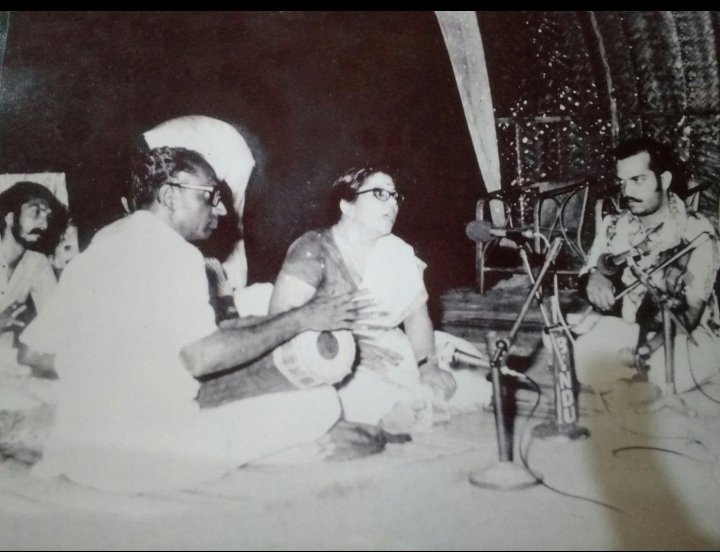
 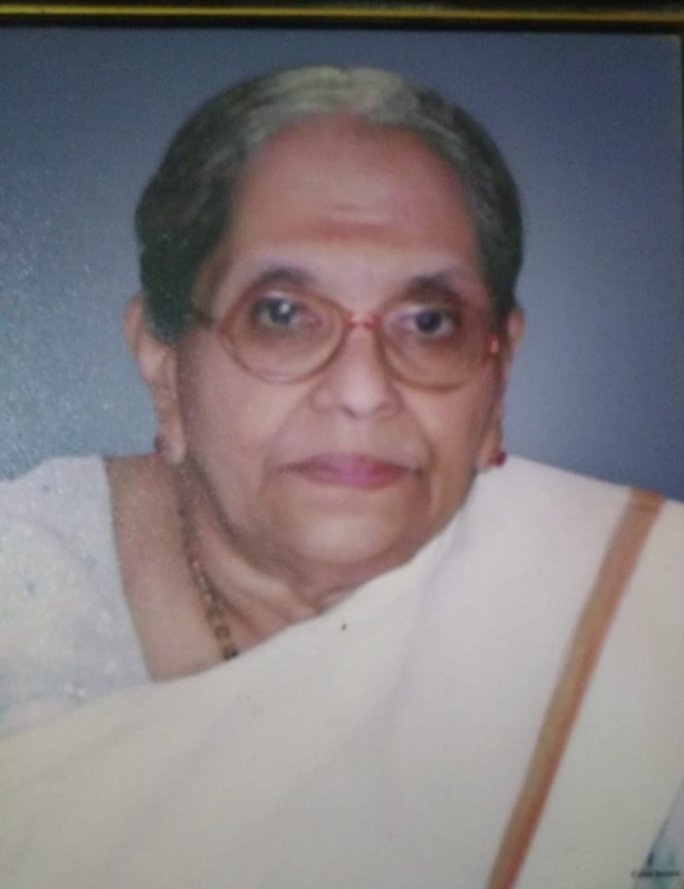 The hallmark of her singing was a crystal clear voice and exact pronunciation. Vishnudatta got married at a tender age of 15. Her husband was Dr K M N Nambudiripad, of Kanjoor Mana, who was a psychiatrist in Palakkad. Soon she took up the household chores, but was still singing in social/family gatherings. In 1981, Vishnudatta was invited to the birth centenary celebrations of Venkitakrishna Bhagavathar, held at Mundaya, near Shoranur. She appeared before an audience for the first time as a performer. She was singing on stage for the first time, that too accompanied by violin and mridangam. She sang “Ajitha Hare Jaya,” “Marimaan Kanni,” and “Kalayaami Sumathe” with consummate ease, as if she was a seasoned professional performer!! The audience were awestruck and the thundering applause was evident of her prowess. Later in 1996, she performed at Sreekrishanapuram. These were the only public performances of Vishnudatta. Vishnudatta died in January 2008 after a brief illness. That marked the end of the unique Venkitakrishna Bhagavathar’s style of Kathakali Music. Unfortunately, there are no audio or video footages of the performances of Vishnudatta. Even now, in the times of women empowerment, there are only a few women who are professional Kathakali musicians. There was a Kathakali troupe in Tripunithura, where the actors and musicians were women. There are many women, who have learned Kathakali Music, but still remain unknown. As the old saying goes. “Heard melodies are sweet, but those unheard are sweeter.”
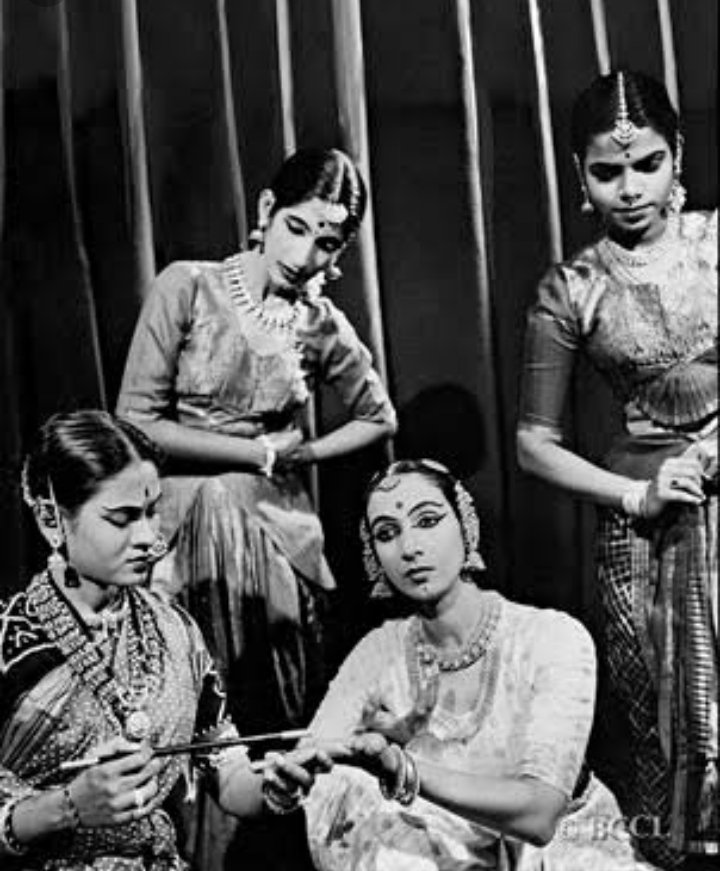 ശാസ്ത്രീയ/നാടോടി രൂപത്തിൽ കുറവഞ്ചി നൃത്തം അവതരിപ്പിച്ചു കൊണ്ടിരിയ്ക്കുന്നു.പണ്ട്, ദേവദാസികളായിരുന്നു കുറവഞ്ചി നാടകങ്ങളിൽ അഭിനയിച്ചിരുന്നത്.തമിഴ് നാട്ടിലെ തിരുനെൽവേലിയ്ക്കടുത്തുള്ള കുട്രാലത്തുള്ള വെള്ളച്ചാട്ടത്തിനടുത്തുള്ള ക്ഷേത്രത്തിലെ പരമശിവനാണ് കഥയിലെ നായകൻ. അതു കൊണ്ട് തിരുകുട്രാലക്കുറവഞ്ചി എന്ന് പേര് വന്നു.
 narayanan.desamangalam