ഗ്രാമത്തിലെ ആർട്സ് & സ്പോർട്സ് ക്ലബ് വാർഷികം. ഗംഭീര പരിപാടികൾ. ഓട്ട മത്സരം മുതൽ മുച്ചീട്ട് കളി വരെ; നാടൻ പാട്ട് മുതൽ പുണ്യ പുരാണ നാടകം വരെ.
നാടകം – പ്രഹ്ലാദചരിതം. നാടകകൃത്ത് “സർവ്വശ്രീ” ഗോപാലകൃഷ്ണൻ നായർ. ഹിരണ്യകശിപുവായി ചന്ദ്രൻ, ചന്ദ്രന്റെ മകൻ പ്രസൂൻ പ്രഹ്ലാദൻ. നരസിംഹമായി തടിയൻ പപ്പൻ.
സ്റ്റേജിൽ രണ്ട് തൂണ്. ഇടത്തെ തൂണിന് പുറകിൽ നരസിംഹം ഒളിച്ചിരിപ്പുണ്ട്.
നാടകം തുടങ്ങി.
പ്രഹ്ലാദൻ: “നാരായണായ നമ : നാരായണായ നമ:”
ഹിരണ്യകശിപു (ക്രുദ്ധനായി): “ഛായ്.. ഹിരണ്യന്റെ നാട്ടിൽ നാരായണ നാമമോ? ഹിരണ്യ നാമം ചൊല്ലാൻ നാം കല്പിച്ചതല്ലേ?”
ഇതൊന്നും ചെവിക്കൊള്ളാതെ പ്രഹ്ലാദൻ നാരായണ നാമം ഉരുവിട്ടു കൊണ്ടേയിരുന്നു.
ഹിരണ്യകശിപു: “എവിടെ നിന്റെ നാരായണൻ??”
പ്രഹ്ലാദൻ: “എല്ലായിടത്തുമുണ്ട്. തൂണിലുണ്ട്, തുരുമ്പിലുണ്ട്….”
പെട്ടെന്ന് ഹിരണ്യകശിപുവായ ചന്ദ്രൻ, ഏത് തൂണിലാണ് നരസിംഹം ഒളിച്ചിരിക്കുന്നത് എന്ന കാര്യം മറന്നു!!! എന്ത് ചെയ്യും? എന്തെങ്കിലുമാവട്ടെ… വന്ന പാട് ചന്തം….
ഹിരണ്യകശിപു (വലത്തെ തൂണ് ചൂണ്ടിക്കൊണ്ട് ): “ഈ തൂണിലുണ്ടോ?”
പ്രഹ്ലാദൻ (സംശയലേശമെന്യേ, ഇടത്തെ തൂണ് ചൂണ്ടിക്കൊണ്ട്): “ഇല്ല… ഇതിലുണ്ട്.”
എല്ലാ തൂണിലും തുരുമ്പിലുമുള്ള നാരായണൻ, ഇടത്തെ തൂണിൽ നിന്ന് പുറത്തു വരികയും, ഹിരണ്യകശിപുവിനെ വധിക്കുകയും ചെയ്തു.
സമാപ്തം🙏🙏
The Black Sheep
I am notoriously known as a very rigid follower of the theoretical side of Carnatic Music. Many of my friends and relatives have scorned at my rigidity.
Yes, I am inflexible.
What kind of of rigidity do I have?
To teach with technical details of a ragam, without straying from its subtlety. I have heard many a musician singing Mohanam with very prominent Kakali Ni and Prati Ma. I have heard a famous musician sing Kharaharapriya with a noticeable Antara Ga. I see it as a sacrilege!!
Can you call this rigidity?
Maybe I was groomed in such a way that the treatment towards a ragam should be based on the Arohanavarohanam. (Except in the case of Bhashanga Ragas.)
I may be among a very few who adhere to such rules strictly.
I like it that way.
To be a black sheep!! To be different!!!
The 16 swara concept
M͟U͟S͟I͟N͟G͟S͟
The 16 swara concept is the backbone of the 72 Melakarta Scheme of Carnatic Music. Besides the 12 basic notes, there are 4 more notes, known as the Vivadi swaras.
A musician from North India came to Trichur and wanted to learn Dikshitar kriti “Maha Ganapatim” in Natta. He had heard the kriti before. I started to teach him, singing the first 4 swaras of the Arohana, sa ri ga ma. The ri in Natta is the Shadshruti ri, which corresponds to the Komal ga of Hindustani music. The North Indian musician said: “Sir, this is Komal ga and how do pronounce it as ri?” I tried to make him understand about the 16 swaras, but he could not digest it. Later, I taught him a small kriti in Mohanam. (Bhupali in Hindustani Music)
Shadshruti ri has the same frequency of Sadharana ga, Suddha Gandharam has the same frequency of Chatursruti ri, Shadshruthi dha has the same frequency of Kaishiki ni and Suddha nishada has the same frequency of Chaturshruti dha. That was why our North Indian friend was astonished.
But the gamakas in Shadshruti ri and Shadshruthi dha differentiates them from Sadharana ga and Kaishiki ni. But Suddha ga and Suddha ni are sung without any gamaka. But the corresponding Chaturshruti ri and Chaturshruti dha are always sung with gamakas!!!
That is why the 72 Melakarta Scheme is so authentic.
Ragam – Tanam – Pallavi
What is Ragam – Tanam – Pallavi, or RTP?
It is the delineation of a raga as per the manodharmam of a musician. The entire gamut of a raga is explored. But this elaboration can also be done before a kriti.
So the importance lies in the singing of tanam and pallavi. The tanam, I believe, was played on the veena first, and later adopted to the vocal rendition. Tanam is sung in syllables like Ananta Anandam Ta, Namta etc. Tanam does not have a fixed talam, but it is sung with a built-in rhythm. In the Navaratri Mandapam, Trivandrum, tanam is sung with talam, accompanied by the percussionist.
The pallavi is usually structured in one talavattam, rarely in two. The first half of the pallavi is termed as Purvangam. The Purvangam ends in the middle of the talavattam and that ending portion is called Padagarbham or Aruti. Before the second part – Uttarangam – there is a part where there is no Sahityam. That part is known as Vishranti. There are Ragamalika pallavis also. I have heard Lalgudi Jayaraman playing a Ragamalika pallavi, where the Purvangam was set to Mohanam and the Uttarangam to Ranjini.
The pallavi is sung in 4 speeds. The first speed, the tisram, the second speed and the keezhkalam (the lower speed of the first speed). The pallavi singer should have a good sense of talam. The niraval and swara rendition is done in the pallavi.
All the four types of manodharmam of Carnatic music is seen only in Ragam – Tanam – Pallavi.
Tailpiece
The legendary Balamuralikrishna, had tried singing Ragam, accompanied by the percussionist. But it did not get any appreciation from aficionados.
Pancha Pancharatna Kritis of Saint Tyagaraja
ത്യാഗരാജ സ്വാമികളുടെ പഞ്ച പഞ്ചരത്ന കൃതികൾ
പഞ്ചരത്ന കീർത്തന ആലാപനം മിയ്ക്ക സംഗീതോത്സവങ്ങളിലും പാടിക്കേൾക്കാറുണ്ടല്ലോ. ഘനരാഗ പഞ്ചരത്ന കൃതികളാണ് ഇവിടെയൊക്കെ പാടി വരാറുള്ളത്.
എന്നാൽ ത്യാഗരാജ സ്വാമികൾ അഞ്ച് പഞ്ചരത്നങ്ങൾ രചിച്ചിട്ടുണ്ട്.
1. ഘനരാഗ പഞ്ചരത്നം.
• ജഗദാനന്ദ കാരക – നാട്ട
• ദുഡുകു – ഗൗള
• സാധിംചനേ – ആരഭി
• കനകന രുചിര – വരാളി
• എന്ദരോ മഹാനുഭാവുലു – ശ്രീരാഗം
(ഇവയെല്ലാം ആദി താളത്തിലാണ് ചിട്ടപ്പെടുത്തിയിട്ടുള്ളത്.)
2. തിരുവൊട്ടിയൂർ പഞ്ചരത്നം
• കന്നതല്ലി – സാവേരി – ആദി
• സുന്ദരി നിന്നു – ആരഭി – മിശ്രചാപ്പ്
• സുന്ദരി നന്നിന്ദരിലോ – ബേഗഡ – രൂപകം
• സുന്ദരി നീ ദിവ്യരൂപമുനു – കല്യാണി – ആദി
• ദാരിനി തെലുസുകൊണ്ടി – ശുദ്ധസാവേരി
3. കോവൂർ പഞ്ചരത്നം
• ഈ വസുധ – ശഹാന – ആദി
• കോരി സേവിം പരാരേ – ഖരഹരപ്രിയ – ആദി
• ശംഭോ മഹാദേവ – പന്തുവരാളി – രൂപകം
• നമ്മി വച്ചിന – കല്യാണി – രൂപകം
• സുന്ദരേശ്വരുനി – ശങ്കരാഭരണം – ആദി
4. ശ്രീരംഗപഞ്ചരത്നം
• ചൂതാമു രാരേ – ആരഭി – രൂപകം
• ഓ രംഗശായി – കാംബോജി – ആദി
• കരുണ ജൂഡവയ്യ – സാരംഗ – ആദി
• രാജു വെഡല – തോടി – രൂപകം
• വിനരാദാ – ദേവഗാന്ധാരി – ആദി
5. ലാൽഗുഡി പഞ്ചരത്നം
• ഗതി നീവനി – തോടി – ആദി
• ലളിതേ ശ്രീ പ്രവൃദ്ധ – ഭൈരവി – ആദി
• ദേവശ്രീ – മധ്യമാവതി – ത്രിപുട
• മഹിത പ്രവൃദ്ധ – കാംബോജി – മിശ്രചാപ്പ്
• ഈശ പാഹിമാം – കല്യാണി – രൂപകം
𝕸𝖆𝖓𝖔𝖉𝖍𝖆𝖗𝖒𝖆 𝕾𝖆𝖓𝖌𝖊𝖊𝖙𝖍𝖆𝖒
How can you sing Manodharmam?
First of all there are 4 types of Manodharmam.
1. Raga Alapana
2. Taanam
3. Niraval
4. Kalpanaswaram
How to develop the “art” of Manodharmam? It is not easy to teach Manodharmam to someone.
Raga Alapana is sung with syllables like “Tadarina” etc. Taanam has syllables, “Aaananta, Ananta, Namta, Taanam” etc. The third Manodharmam- Niraval- is the improvisation of a particular passage of a Kriti, which has stages like first speed, medium speed and third speed. And the last, Kalpanaswaram is sung with combinations of swaras, as prescribed in the Arohanavarohanam of a raga.
All the elements of Manodharmam have different styles. Though the raagam remains the same, the application of Manodharmam is different in all four.What should be done to develop Manodharmam? I believe that the first and foremost is listening. Listening will help one to understand the essence of Manodharmam. Later on the aspirant can try singing Manodharmam.
In this context, I have found that singing Manodharma swaram is the easiest of the four.
BHASHANGA RAGAS
U͟p͟a͟n͟g͟a͟ a͟n͟d͟ B͟h͟a͟s͟h͟a͟n͟g͟a͟ R͟a͟g͟a͟s͟
An Upanga raga is a janya raga, where the swarasthanas of the ragam will be as in the janaka (parent) raga.
Example: Mohanam. All the swaras in this pentatonic scale is the same it’s parent raga, Harikamboji.
But in Bhashanga ragas, swaras which are not in the parent raga are seen.
Example: Kamboji. All the swaras in its parent raga are used. But there is a usage of Kakali ni (only in the phrase “sa ni pa dha sa.”) But without Kakali ni, Kamboji would have become extinct. Kamboji is an Ekaswara Bhashanga ragam.
Now to go deeper. Bhashanga ragas are of 3 more types. Dwiswara, Triswara and Chatuswara.
Example for Dwiswara Bhashanga ragam: Atana.
Though a janya of Sankarabharanam, Kaishiki ni and Sadharana ga are used.
Example for Triswara Bhashanga ragam: Anandabhairavi.
Anandabhairavi is the janya of 20th Melakarta Natabhairavi. The anya swaras are Antara Ga, Chatursruthi dha and Kakali ni.
Example for Chatuswara Bhashanga ragam: Maand.
Maand is the janya raga of Sankarabharanam. It has Suddha ri, Prati ma, Suddha dha and Kaishiki ni.
One for the road….
Sindhubhairavi has 5 anya swaras, Chatursruthi ri, Antara ga, prati ma, Chatursruthi dha and Kakali ni, which means all the 12 basic notes are used in this ragam!!!!!
ചടപടധിം
വീണ്ടും പഴംപുരാണം😊
മച്ചാട് ഹൈസ്ക്കൂളിൽ ഒരു ഡാൻസ് പ്രോഗ്രാം. പലക കൊണ്ട് നിർമ്മിച്ച ഒരു താൽക്കാലിക സ്റ്റേജ്. ക്ലാരിനെറ്റ് വായിക്കാൻ മൈക്കിൾ, തബലിസ്റ്റ് കുമാരേട്ടൻ, ഹാർമോണിസ്റ്റ് തമ്പി വർഗ്ഗീസ്, വയലിനിസ്റ്റ് ഈയുള്ളവനും. സ്റ്റേജിന്റെ വലതു വശത്ത് ഏകദേശം നടുവിലായി കുമാരേട്ടനും, തമ്പിയും, ഞാനും ഇരിപ്പുറപ്പിച്ചു. സ്റ്റേജിന്റെ പലകയുടെ അറ്റത്തായി കസേരയിൽ മൈക്കിളും. ഒരു പെൺകുട്ടി “കാളിയമർദ്ദനം” എന്ന നൃത്തം അവതരിപ്പിയ്ക്കുകയാണ്. ഞങ്ങളെല്ലാവരും ഞങ്ങളുടെ പ്രവൃത്തിയിൽ വ്യാപൃതർ.അപ്പോഴാണ് ഞങ്ങളുടെ പുറകിൽ നിന്ന് ഒരു ഘോര ശബ്ദം കേൾക്കുന്നത്. തിരിഞ്ഞു നോക്കി. മൈക്കിളിനെ കാണാനില്ല!!!
സംഭവം ഇങ്ങനെ: സ്റ്റേജിന്റെ വക്കത്തിരിയ്ക്കുന്ന മൈക്കിളിന്റെ കസേരയിൽ പിടിച്ച് ഒരു ഡാൻസ് ടീച്ചർ എത്തി നോക്കി. കസേരയിലെ പിടുത്തത്തിന് ശക്തി അല്പം കൂടിയോ എന്നാരു സംശയം. ടീച്ചറും മൈക്കിളും “ചടപട ധീം” എന്ന് ഭൂമിയിലേയ്ക്ക്!!!
എന്തിനേറെ, നൃത്തമാടിയിരുന്ന “ശ്രീകൃഷ്ണൻ” പോലും സ്തബ്ധയായി കാളിയമർദ്ദനം നിർത്തി!
സ്ക്കൂൾ ഓർമ്മകൾ
സ്ക്കൂൾ അസംബ്ലി ഗ്രൗണ്ട്. വരിവരിയായി ഓരോ ക്ലാസുകാരും നിൽക്കുന്നു.
“പ്രെയർ.” ഹെഡ് മാസ്റ്റർ പിഷാരോടി മാഷിന്റെ പരുപരുത്ത, പരുഷ ശബ്ദം.
സ്ഥിരം പ്രാർത്ഥനാ ഗായക സംഘം – തോമസ് ഫെൻ, എൻ.രാജഗോപാലൻ, ഞാൻ – ഹെഡ് മാഷിന്റെ തൊട്ടു മുമ്പിൽ നിന്ന് പ്രാർത്ഥന പാടും.
ഞങ്ങളുടെ സ്ക്കൂളിലെ കായികാധ്യാപകനായിരുന്ന ജനാർദ്ദനൻ മാഷ് സംഗീതം നൽകിയ മൂന്ന് പാട്ടുകളാണ് സ്ഥിരം പാടുക.
– തന്തിരുവടി
– വരൂ നവ നവാകാരം
– കരളിലും കരളായി  ജനാർദ്ദനൻ മാഷ് ഒരു നല്ല സംഗീതജ്ഞനായിരുന്നു. ക്ലാരിനെറ്റ്, പുല്ലാങ്കുഴൽ, തബല എന്നീ വാദ്യങ്ങളിൽ പ്രവീണനായിരുന്നു. ലളിത ഗാനങ്ങൾ നന്നായി ട്യൂൺ ചെയ്തിരുന്നു.
മാഷ് ഇന്നില്ല. പക്ഷെ മാഷ് ചിട്ടപ്പെടുത്തിയ ഈ പ്രാർത്ഥനകൾ ഇന്നും മറന്നിട്ടില്ല. പലർക്കും പഠിപ്പിച്ചു കൊടുത്തിട്ടുമുണ്ട്.
ഗായക സംഘത്തിലെ തോമസ് ഫെൻ കോട്ടയത്തടുത്താണ് താമസം. എൻ.രാജഗോപാലൻ തൃശൂരും. ഏതാണ്ട് 50 കൊല്ലമായി ഇവരെ കണ്ടിട്ട്. തോമസിനോട് WhatsApp വഴി സംസാരിയ്ക്കാറുണ്ട്!
എല്ലാവരെയും ഒന്നു കാണണം, സംസാരിയ്ക്കണം.
“വരും കൊല്ലമാരെന്നും എന്തെന്നുമാർക്കറിയാം.”
കുറവഞ്ചി നാടകങ്ങൾ
തമിഴ് നാട്ടിൽ, പതിനേഴാം നൂറ്റാണ്ടിൽ പ്രചാരത്തിൽ വന്ന നൃത്തനാടക രൂപങ്ങളാണ് കുറവഞ്ചി നാടകങ്ങൾ.ചില കുറവഞ്ചി നാടകങ്ങളിവയാണ്.
• തിരുക്കുട്രാലക്കുറവഞ്ചി
• സെന്തിൽക്കുറവഞ്ചി
• കുമരേശർക്കുറവഞ്ചി
• അഴകർ കുറവഞ്ചി
• വീരാളിമലൈക്കുറവഞ്ചി
• ത്യാഗേശർ കുറവഞ്ചി
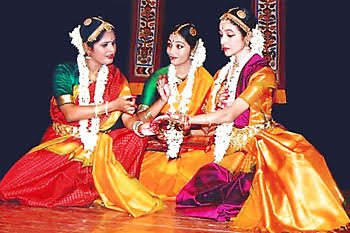
എല്ലാ കുറവഞ്ചി നാടകങ്ങളിലെ പ്രമേയവും കഥാപാത്രങ്ങളും ഏകദേശം ഒരു പോലെയാണ്.നായിക ആ ദേശത്തെ അമ്പലത്തിലെ ദേവനുമായി പ്രണയത്തിലാവുന്നു. ഒരു കുറത്തി രംഗപ്രവേശം ചെയ്ത്, നായികയുടെ കൈ നോക്കി “നിന്റെ എല്ലാ ആഗ്രഹങ്ങളും സഫലീകരിയ്ക്കപ്പെടും.” എന്നു പറയുന്നു. സന്തുഷ്ടയായ നായിക, കുറത്തിയ്ക്ക് വില പിടിച്ച സമ്മാനങ്ങൾ കൊടുക്കുന്നു. കുറത്തിയുടെ ഭർത്താവായ കുറവൻ പ്രവേശിക്കുന്നു. അയാൾക്ക് ഭാര്യയെ സംശയമാണ്. ഭാര്യയുടെ കയ്യിലെ സമ്മാനങ്ങൾ കണ്ട് സന്തുഷ്ടനാകുന്നു.
നായികയുടെ അഭിലാഷം പോലെ ദേവനെ വിവാഹം കഴിയ്ക്കുന്നു.
കുറവഞ്ചി നാടകങ്ങളിൽ, അമ്പതോളം രാഗങ്ങൾ ഉപയോഗിച്ചു വരുന്നു. ഇവയിൽ അപൂർവ്വമായ ഘണ്ട, ഗോപികാവസന്തം, ശ്യാമ കല്യാണി, മോഹന കല്യാണി ഗുമ്മ കാംബോധി മുതലായ രാഗങ്ങൾ ധാരാളമായി കേൾക്കാം.
 narayanan.desamangalam